

Modern medicine continues to evolve through innovative technologies that improve patient care and surgical outcomes. Among these advancements, surgical implants play an important role in restoring body functions, supporting damaged tissues, and improving patients’ quality of life. Healthcare professionals use these medical devices in various procedures, including orthopedic, dental, cardiovascular, and reconstructive surgeries. As medical technology advances, manufacturers continue to develop reliable implant solutions that meet the changing needs of surgeons and patients.
What Are Surgical Implants?
Surgical implants are medical devices that surgeons place inside or on the surface of the body to replace, support, or improve the function of damaged structures. These devices serve different medical purposes depending on the patient’s condition and the type of procedure.
For example, orthopedic surgeons use implants such as plates, screws, rods, and artificial joints to stabilize broken bones and support recovery. Similarly, dental professionals use dental implants to replace missing teeth and restore chewing function. In addition, cardiovascular specialists use certain implantable devices to help regulate heart activity and support blood circulation.
Therefore, implants have become an essential part of modern surgical treatment.
Different Types of Surgical Implants
Medical professionals select implants according to the patient’s medical needs, surgical requirements, and treatment goals. Each type offers specific benefits and applications.
Orthopedic Implants: These implants support bone repair and joint replacement. Surgeons commonly use bone plates, screws, pins, rods, and artificial joints to stabilize fractures and restore movement.
Dental Implants: Dental implants replace missing tooth roots and provide a stable foundation for artificial teeth. They help patients regain confidence, improve chewing ability, and maintain proper dental function.
Cardiovascular Implants: These devices support heart and blood vessel treatments. Examples include pacemakers, implantable defibrillators, and certain vascular devices that help manage cardiovascular conditions.
Spinal Implants: Surgeons use spinal implants to stabilize the spine, support damaged vertebrae, and assist with certain spinal procedures. These devices may include rods, screws, cages, and plates.
Reconstructive Implants: These implants help restore body structures following injuries, medical conditions, or reconstructive procedures. Their design depends on the surgical application and individual patient requirements.
Materials Used in Surgical Implants
The material used in an implant directly affects its strength, durability, compatibility, and performance. Consequently, manufacturers carefully select materials that meet the requirements of specific medical applications.
Titanium is one of the most widely used implant materials because it offers excellent strength, corrosion resistance, and biocompatibility. Moreover, stainless steel provides durability and mechanical stability for various orthopedic applications.
Medical-grade polymers also serve important purposes in implant manufacturing. These materials offer flexibility and lightweight properties, making them suitable for selected medical devices. Additionally, ceramic materials provide hardness and wear resistance in certain joint and dental applications.
Manufacturers must evaluate each material carefully to ensure that it meets relevant medical standards and intended-use requirements.
Importance of Precision in Surgical Implant Procedures
Successful implant procedures require careful planning, accurate measurements, and appropriate surgical techniques. Surgeons must evaluate the patient’s condition, select suitable implant sizes, and prepare the surgical site properly.
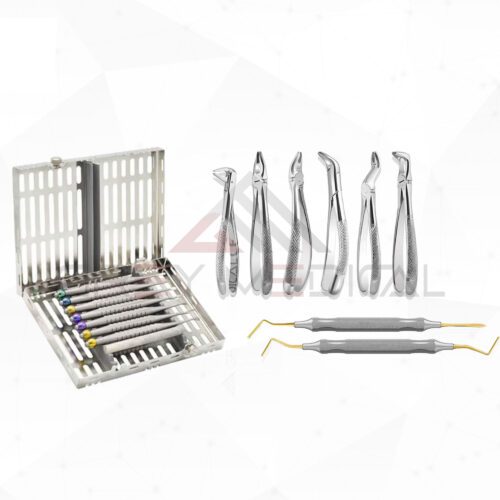
Furthermore, high-quality surgical instruments help medical professionals perform procedures with greater control and accuracy. Instruments such as forceps, retractors, scissors, needle holders, and specialized implant tools support different stages of surgery.
Proper sterilization and handling also remain essential. Medical teams must follow established infection-control protocols to maintain a safe surgical environment. As a result, precision, preparation, and professional expertise contribute significantly to successful treatment.
Benefits of Modern Surgical Implants
Modern implant technology offers several advantages for patients and healthcare professionals. First, implants can restore damaged body structures and support essential physical functions. Second, they can improve stability and mobility after certain injuries or surgical procedures.
Additionally, many modern implants feature advanced designs and materials that support long-term performance when appropriately selected and maintained. Dental implants, for instance, can provide a stable foundation for replacement teeth. Likewise, orthopedic implants can help patients regain movement after specific bone and joint conditions.
However, every procedure involves individual risks and recovery requirements. Therefore, patients should discuss treatment options, potential complications, and expected outcomes with qualified healthcare professionals.
How to Choose High-Quality Surgical Implants
Selecting appropriate surgical implants requires careful consideration of several factors. Healthcare professionals should evaluate material quality, product specifications, compatibility, manufacturing standards, and the intended clinical application.
Manufacturers must also maintain consistent quality-control processes throughout production. In addition, reliable documentation, appropriate packaging, and proper sterilization instructions help healthcare facilities manage medical devices responsibly.
Grey Medical® is a privately owned medical technology company dedicated to innovation and excellence in the craft of surgical instrument. The company recognizes the importance of precision, quality, and reliability in modern healthcare. By focusing on carefully crafted surgical instruments, Grey Medical® supports medical professionals who depend on dependable tools during demanding procedures.
The Future of Surgical Implant Technology
The future of implant technology looks promising as researchers and manufacturers continue exploring advanced materials, improved designs, and innovative manufacturing methods. For example, 3D printing allows manufacturers to develop customized implant designs that may better match individual anatomical requirements.
Furthermore, digital planning tools and advanced imaging technologies help surgeons prepare for complex procedures. Researchers are also exploring smart implants that can monitor selected biological conditions and provide useful information to healthcare professionals.
These developments may improve treatment planning, implant performance, and patient care in the coming years. Nevertheless, manufacturers must continue prioritizing safety, clinical evidence, and regulatory compliance.
Conclusion
Surgical implants have transformed modern healthcare by helping medical professionals restore body structures, improve mobility, and support essential bodily functions. From orthopedic and dental applications to cardiovascular and reconstructive procedures, these medical devices serve a wide range of clinical needs.
As technology continues to advance, manufacturers will introduce improved materials, innovative designs, and more precise manufacturing techniques. Ultimately, high-quality implants, reliable surgical instruments, and skilled healthcare professionals will remain important elements of successful surgical care. Grey Medical® continues to value innovation and excellence in surgical instrument craftsmanship while recognizing the essential role that precision plays in modern medicine.
