

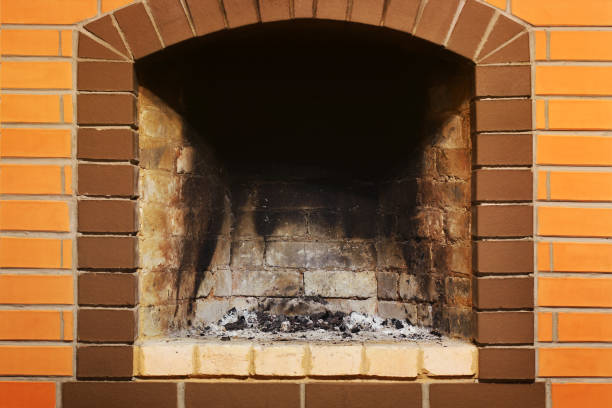
A fireplace should distribute heat relatively evenly throughout the firebox to support proper combustion and provide consistent warmth. However, some homeowners notice that certain areas become extremely hot while other sections remain noticeably cooler. This uneven heat distribution can affect fireplace performance, increase stress on masonry components, and indicate an underlying problem with the firebox or ventilation system.
Uneven heating is not always a sign of serious damage, but it should not be ignored. Factors such as restricted airflow, improper fire placement, damaged refractory panels, poor combustion, and structural problems can all contribute to temperature differences. Identifying the source of the issue helps homeowners determine whether adjustments, maintenance, or professional repairs are necessary.
Understanding why a fireplace develops uneven heat across different areas of the firebox can help prevent further deterioration and maintain safer fireplace operation.
Restricted Airflow Inside the Firebox
Airflow plays an important role in how heat develops and spreads throughout a fireplace. A wood-burning fireplace requires sufficient oxygen to support combustion. When air enters unevenly, certain sections of the fire may receive more oxygen than others.
For example, a blocked air intake, improperly positioned grate, or buildup of ash can interfere with the movement of air beneath and around the fire. Areas receiving more oxygen may experience stronger combustion and higher temperatures, while sections with limited airflow may remain cooler.
Restricted airflow can also result from chimney obstructions or ventilation problems. When smoke cannot move efficiently through the chimney, combustion may become less effective, affecting the overall heating pattern.
Homeowners should avoid covering fireplace air openings or allowing excessive ash to accumulate. If airflow problems continue, a professional inspection can help identify restrictions affecting fireplace performance.
Damaged or Deteriorating Firebox Refractory Panels
Refractory panels are designed to withstand high temperatures and protect the surrounding fireplace structure. These materials help reflect heat into the firebox and provide insulation against extreme temperatures.
When refractory panels develop cracks, gaps, or damaged sections, heat may no longer be distributed consistently. A deteriorating panel can also expose the underlying masonry to higher temperatures, increasing the risk of further damage.
Uneven heating may occur when one side of the firebox has intact refractory material while another side has deteriorated. The difference in insulation can cause certain areas to absorb or retain heat differently.
Small surface cracks should be evaluated to determine whether they are cosmetic or signs of more significant deterioration. Missing sections, loose panels, or exposed masonry require professional attention. Homeowners should not continue using a fireplace with severely damaged refractory components until the condition has been assessed.
Improper Firewood Placement and Burning Patterns
The way firewood is arranged can significantly influence how heat develops inside a firebox. When logs are stacked unevenly or positioned too close to one side, the flames may concentrate in a limited area.
This creates localized hot spots that expose certain bricks or refractory panels to more intense heat. Meanwhile, the opposite side may receive considerably less direct flame exposure.
Oversized logs, poorly arranged kindling, and insufficient spacing between pieces can also affect combustion. When wood cannot receive enough oxygen, it may burn inconsistently and produce more smoke.
Homeowners should follow the fireplace manufacturer’s recommendations for firewood placement and avoid building fires that are too large for the firebox. Properly seasoned firewood and appropriate stacking techniques help support more consistent combustion.
Problems With the Fireplace Damper
A fireplace damper controls the movement of smoke and combustion gases through the chimney. When it operates correctly, it helps maintain the appropriate draft for fireplace use.
However, a damaged, improperly positioned, or partially obstructed damper can interfere with airflow. This may cause smoke to move inefficiently and affect how flames develop inside the firebox.
Poor draft can create uneven combustion, allowing certain areas of the fire to burn more intensely than others. Homeowners may also notice excessive smoke, difficulty starting fires, or inconsistent flame movement.
A damper that does not open completely can restrict the escape of combustion gases. It should always be fully open before lighting a fire. If the damper is bent, corroded, or difficult to operate, professional inspection and repair may be necessary.
Uneven Masonry and Structural Deterioration
The condition of the firebox masonry can also influence heat distribution. Firebricks are designed to withstand repeated exposure to high temperatures, but they can deteriorate over time because of thermal stress, moisture intrusion, and normal aging.
When individual bricks become loose, cracked, or damaged, they may respond differently to heat. Gaps between bricks can also expose underlying materials to excessive temperatures.
Another concern is deteriorating mortar joints. Damaged mortar can create openings that allow heat to reach areas that were originally protected by the firebox structure.
Structural deterioration should never be treated as a minor cosmetic problem. A professional assessment can determine whether localized masonry repairs or more extensive restoration is required.
Chimney Draft and Ventilation Issues
A fireplace depends on proper chimney draft to remove smoke and support combustion. When the draft is too weak or inconsistent, flames may behave unpredictably.
Several conditions can affect chimney draft, including creosote buildup, a blocked flue, incorrect chimney dimensions, and inadequate ventilation within the home.
For example, a chimney with excessive creosote accumulation may restrict the passage of smoke. This can interfere with normal combustion and create unusual heating patterns.
Changes in outdoor temperature, wind conditions, and indoor air pressure can also influence draft. If the fireplace consistently produces uneven flames alongside smoke entering the room, the ventilation system should be inspected.
Regular chimney maintenance helps identify obstructions and other conditions that may interfere with fireplace performance.
How Excessive Heat Affects Different Firebox Areas
Repeated exposure to concentrated heat can gradually weaken fireplace materials. When one section consistently becomes hotter than the rest, it may experience greater thermal expansion and contraction.
Over time, this repeated temperature stress can contribute to:
- Cracking or spalling firebricks.
- Deteriorating mortar joints.
- Damaged refractory panels.
- Discoloration and surface deterioration.
- Separation between masonry components.
These problems can become more serious when moisture enters damaged areas and freezes or expands during colder weather.
Homeowners should pay attention to visible changes inside the firebox, especially after periods of frequent fireplace use. Unusual cracking, loose bricks, or missing refractory material should be evaluated before continued operation.
How to Improve Fireplace Heat Distribution
Improving heat distribution begins with identifying the underlying cause. Simple changes in firewood arrangement may help when the problem is related to burning patterns. However, airflow restrictions, damaged materials, and structural deterioration require more attention.
Consider the following maintenance practices:
Use properly seasoned firewood: Dry wood generally burns more consistently and produces less smoke than wet or unseasoned wood.
Maintain appropriate fire size: Avoid oversized fires that concentrate excessive heat in one section of the firebox.
Keep the firebox clean: Remove excessive ash and debris that may interfere with airflow.
Check the damper: Make sure it opens and closes correctly and is fully open during fireplace operation.
Schedule chimney inspections: Professional inspections can identify creosote buildup, flue obstructions, and ventilation concerns.
Monitor refractory materials: Look for cracks, missing sections, loose panels, and deteriorating masonry.
Homeowners looking to improve overall fireplace performance can also explore these How to Improve Your Fireplace’s Efficiency This Winter recommendations for additional maintenance and efficiency considerations.
When Should You Schedule Professional Fireplace Repairs?
Uneven heating that continues despite proper firewood placement and routine cleaning may indicate a problem that requires professional attention. Certain warning signs should never be ignored.
These include visible cracks in the firebox, loose or missing bricks, damaged refractory panels, unusual smoke behavior, and strong burning odors coming from areas outside the firebox.
A qualified technician can inspect the firebox, damper, chimney, and surrounding masonry to identify the source of the problem. Depending on the findings, the solution may involve replacing damaged refractory panels, repairing mortar joints, correcting airflow restrictions, or completing more extensive masonry restoration.
Professional Fireplace Repair Services can help address these problems before they develop into more expensive structural concerns.
Homeowners in nearby communities can also explore Parker Chimney Services for assistance with fireplace and chimney maintenance in the Parker area.
Conclusion
A fireplace develops uneven heat across different areas of the firebox for several possible reasons, including restricted airflow, damaged refractory panels, improper firewood placement, damper problems, and deteriorating masonry. While some temperature differences may result from normal combustion patterns, persistent hot spots can indicate conditions that require professional attention.
Regular cleaning, proper firewood use, chimney maintenance, and timely repairs help maintain consistent fireplace performance. If you notice unusual temperature differences, visible firebox damage, or inconsistent flames, arranging a professional inspection is a sensible step toward protecting your fireplace and home.