

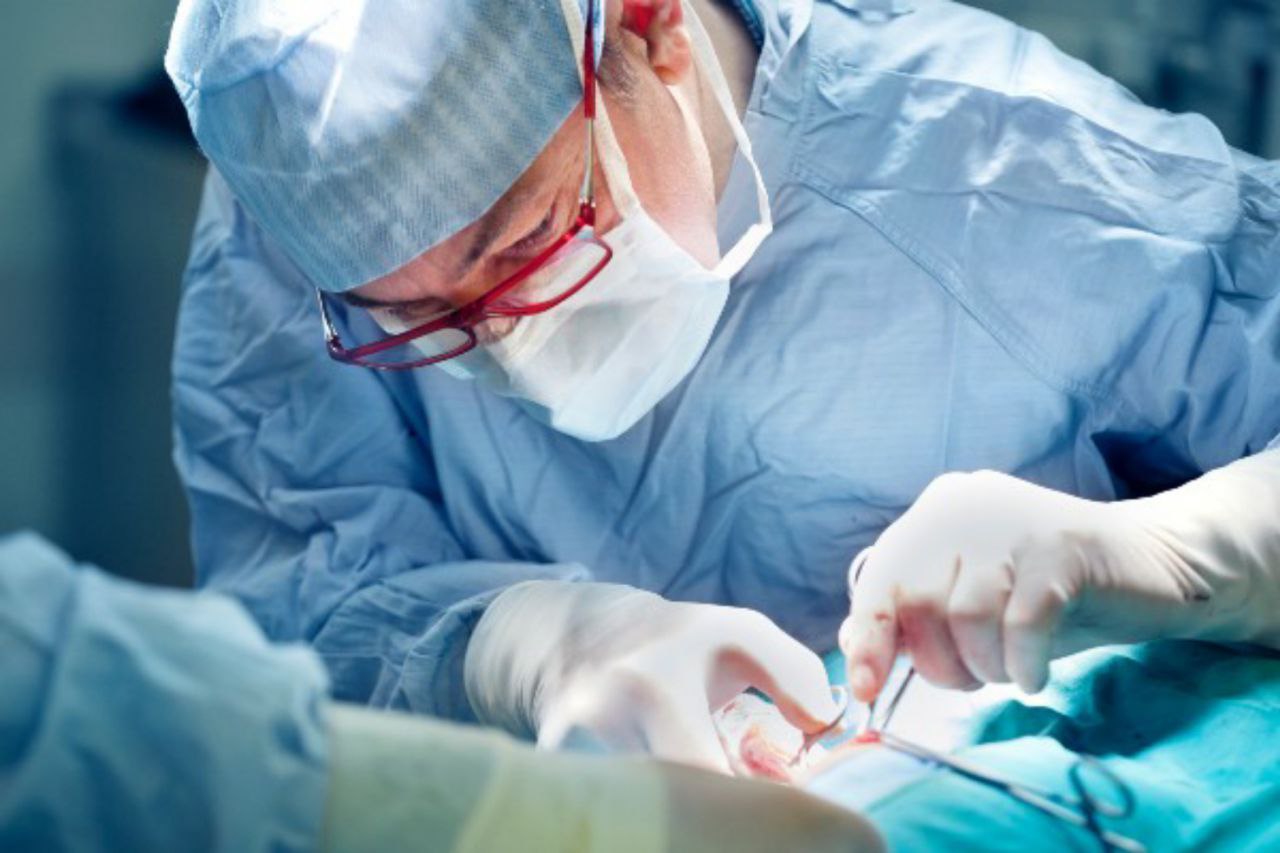
Minor surgical procedures are an important part of modern healthcare, helping patients receive treatment for a variety of common medical concerns. From removing skin lesions and cysts to treating ingrown toenails and other minor conditions, these procedures can often be performed in a clinical setting without requiring a hospital admission. One of the key elements that helps make these treatments more comfortable is local anaesthesia.
Minor Surgery in UK provides patients with access to professional medical procedures designed to address specific health concerns. Local anaesthesia plays an important role by temporarily numbing the treatment area, allowing healthcare professionals to perform suitable procedures while patients remain awake and comfortable.
Well Life Clinic offers private healthcare services, including minor surgical procedures, with an emphasis on patient comfort and professional medical care. Understanding how local anaesthesia works can help patients feel more informed and confident when considering a minor surgical procedure.
Understanding Local Anaesthesia in Minor Surgery
Local anaesthesia is a medical technique used to temporarily block sensation in a specific part of the body. It prevents pain signals from travelling from the treatment area to the brain during a procedure.
Unlike general anaesthesia, which affects the entire body and causes unconsciousness, local anaesthesia allows patients to remain awake throughout the treatment.
During suitable Minor Surgery in UK, a healthcare professional may administer local anaesthesia through a small injection around the area being treated. Once the area becomes numb, the clinician can perform the procedure while the patient remains conscious.
This approach is commonly used for various minor surgical treatments, particularly those involving the skin and superficial tissues.
Why Local Anaesthesia Is Important for Minor Surgical Procedures
Patient comfort is an important consideration during any surgical treatment. Local anaesthesia helps minimise discomfort by numbing the specific area where the procedure takes place.
It also allows clinicians to carry out appropriate treatments in a controlled clinical environment without requiring general anaesthesia.
Some important advantages include:
- Targeted numbing: Anaesthesia is administered specifically to the treatment area.
- Patient awareness: Patients generally remain awake and can communicate with the clinician.
- Convenient treatment: Many suitable procedures can be completed in an outpatient setting.
- Comfort during treatment: Temporary numbness helps minimise pain during the procedure.
- Focused recovery: Patients can receive individual aftercare instructions based on the treatment performed.
The Best Minor Surgery in UK should prioritise patient comfort, appropriate clinical assessment and clear communication throughout the treatment process.
Common Minor Surgical Procedures Using Local Anaesthesia
Local anaesthesia is frequently used for procedures involving the skin and other superficial tissues. The suitability of anaesthesia depends on the type, location and complexity of the procedure.
Common examples include:
Skin Lesion Removal
Skin lesions can include moles, skin tags, cysts and other growths. Depending on their characteristics, a clinician may recommend removal using an appropriate minor surgical technique. Local anaesthesia helps numb the treatment area during the procedure.
Cyst Removal
Some cysts may require surgical removal following a clinical assessment. Local anaesthesia can help make suitable removal procedures more comfortable by numbing the surrounding area.
Ingrown Toenail Treatment
An ingrown toenail can cause discomfort and affect everyday activities. Certain minor surgical treatments involve addressing the affected portion of the nail, with local anaesthesia used to numb the toe.
Minor Skin Surgery
Some minor skin procedures involve removing small areas of tissue for medical or diagnostic purposes. Local anaesthesia can help clinicians perform these treatments while patients remain awake.
At Well Life Clinic, patients can discuss their individual concerns during a consultation and receive guidance about suitable minor surgical treatments.
What Happens During a Minor Surgery Appointment?
Understanding the treatment process can help patients feel more prepared for their appointment. Although the exact steps depend on the procedure, most minor surgical appointments follow a structured process.
First, the clinician assesses the area requiring treatment and reviews the patient’s medical history. This helps establish whether the proposed procedure is appropriate.
Next, the treatment area is cleaned, and local anaesthesia is administered when required. The clinician allows time for the anaesthetic to take effect before beginning the procedure.
Once the area is numb, the treatment is performed using an appropriate surgical technique. Depending on the procedure, the clinician may use stitches, dressings or other methods to complete the treatment.
Following the procedure, patients receive aftercare instructions explaining how to look after the treated area and when to arrange any necessary follow-up appointments.
Well Life Clinic focuses on providing patients with clear information and professional support throughout their healthcare appointments.
How Local Anaesthesia Supports Patient Comfort
Feeling comfortable during a medical procedure is important for a positive patient experience. Local anaesthesia helps achieve this by temporarily reducing sensation in the treatment area.
Patients remain conscious and can communicate with the healthcare professional throughout the procedure. This allows them to ask questions and receive explanations about the treatment.
For individuals considering Minor Surgery in UK, understanding the purpose of local anaesthesia can help reduce uncertainty about what to expect during an appointment.
The clinician will explain the procedure, discuss the anaesthetic approach and provide relevant instructions according to the patient’s individual needs.
Understanding Minor Surgery Cost in UK
The Minor Surgery cost in UK can vary depending on several factors, including the type of procedure, the complexity of treatment, the clinician’s experience and the facilities provided.
Some procedures involve straightforward removal of a small skin lesion, while others may require additional clinical assessment, tissue analysis or follow-up appointments.
When comparing treatment options, patients should consider what is included in the quoted price. It is useful to ask whether the consultation, local anaesthesia, procedure, dressings and any follow-up arrangements are included.
The Minor Surgery cost in UK should always be discussed with the healthcare provider before treatment so patients understand the expected fees.
At Well Life Clinic, patients can contact the clinic directly to discuss available minor surgery services, consultation arrangements and applicable treatment charges.
Choosing the Best Minor Surgery in UK
Selecting an appropriate clinic is an important part of planning any minor surgical procedure. Patients should consider the qualifications of the healthcare professionals, the range of available treatments and the quality of patient communication.
When looking for the Best Minor Surgery in UK, consider the following factors:
- Qualified professionals: Choose a clinic with appropriately trained and experienced clinicians.
- Personalised assessment: Ensure the procedure is recommended following an individual clinical assessment.
- Patient comfort: Ask about local anaesthesia and how the treatment is performed.
- Clear communication: Look for a provider that explains the procedure and aftercare instructions.
- Transparent pricing: Understand the treatment fees and any additional charges.
- Aftercare support: Consider the availability of appropriate follow-up guidance.
Well Life Clinic provides private healthcare services with a focus on individual patient requirements, professional consultations and clear treatment information.
Why Choose Well Life Clinic for Minor Surgery?
Well Life Clinic aims to provide accessible private healthcare and professional medical support for individuals seeking treatment for suitable minor surgical conditions.
Patients can discuss their concerns with healthcare professionals and receive information about appropriate treatment options. The clinic’s approach focuses on understanding individual requirements, explaining available procedures and providing relevant guidance.
For individuals researching Minor Surgery in UK, having access to a professional consultation can help them understand the procedure, the use of local anaesthesia and the expected treatment process.
With locations in Oxted, Cobham and St Albans, Well Life Clinic provides access to private healthcare services for individuals seeking professional medical assistance.
Conclusion
Local anaesthesia plays an important role in modern minor surgical procedures by helping clinicians perform suitable treatments while patients remain awake and comfortable. It provides targeted numbing, supports patient communication and allows many procedures to take place in an outpatient clinical environment.
Understanding the treatment process, available procedures and associated fees can help individuals make informed healthcare decisions. When exploring Minor Surgery in UK, patients should consider clinical experience, personalised assessments, patient comfort and appropriate aftercare.
Choosing the Best Minor Surgery in UK also involves understanding the Minor Surgery cost in UK and ensuring that treatment charges are clearly explained before proceeding.
Well Life Clinic offers private healthcare services focused on individual patient needs, helping patients access professional consultations and information about suitable minor surgical treatments.
FAQs
1. What is the role of local anaesthesia in Minor Surgery in UK?
Local anaesthesia temporarily numbs a specific area of the body so that suitable surgical procedures can be performed with reduced pain sensation. Patients generally remain awake and can communicate with the clinician throughout treatment.
2. Which minor surgical procedures commonly use local anaesthesia?
Local anaesthesia is commonly used for suitable procedures such as skin lesion removal, cyst removal, ingrown toenail treatment and other minor skin surgeries. The appropriate approach depends on an individual clinical assessment.
3. How much does Minor Surgery cost in UK?
The Minor Surgery cost in UK varies according to the procedure, its complexity and the services included. Patients should contact Well Life Clinic to discuss specific treatment options and applicable fees.
4. How can I choose the Best Minor Surgery in UK?
When choosing the Best Minor Surgery in UK, consider the qualifications of the medical professionals, available procedures, patient communication, use of appropriate anaesthesia, aftercare arrangements and transparent pricing.
5. Can I remain awake during minor surgery with local anaesthesia?
Yes. Local anaesthesia is designed to numb the treatment area while allowing patients to remain conscious. The clinician can explain the procedure and provide guidance throughout the appointment.
