

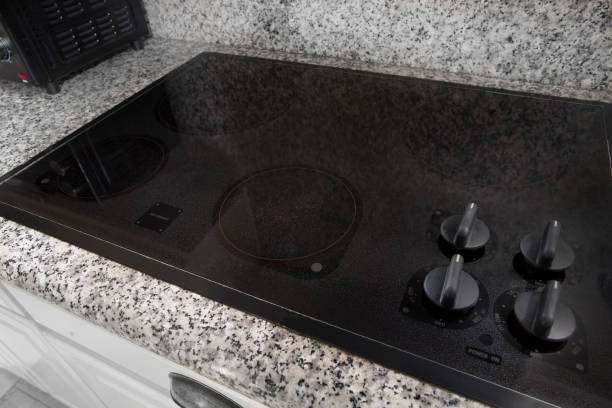
An electric cooktop is designed to distribute heat across the cooking surface so that food cooks evenly and efficiently. However, you may sometimes notice that one area of the cooktop becomes extremely hot while another area remains relatively cool. These uneven temperatures can make cooking frustrating, affect food quality, and indicate that something is not working correctly. Whether you use a traditional electric coil cooktop or a smooth glass-ceramic model, hot and cold spots should not be ignored.
Understanding why your electric cooktop develops uneven heating can help you identify possible problems and determine when professional assistance is necessary. Several factors can contribute to this issue, including damaged heating elements, faulty temperature sensors, electrical connection problems, cookware limitations, and control system malfunctions.
If your cooktop is no longer heating consistently, understanding the underlying causes can help you decide on the right solution.
Understanding Hot and Cold Spots on an Electric Cooktop
Hot and cold spots occur when different areas of a cooking surface do not maintain consistent temperatures. For example, you might notice that food cooks quickly on one side of a pan while remaining undercooked on the other. Similarly, water may boil in one section of a pot while another section stays relatively calm.
Some temperature differences are related to the cookware being used, while others indicate a problem with the cooktop itself.
Electric cooktops use heating elements to transfer heat to cookware. Depending on the model, these elements may be exposed coils or radiant heating components positioned beneath a smooth glass-ceramic surface. When the heating system operates correctly, it provides reasonably consistent heat for the selected temperature setting.
However, damaged components, inconsistent electrical power, or inaccurate temperature regulation can interfere with this process.
1. A Damaged or Worn Heating Element
One of the most common reasons for uneven heating is a damaged heating element. Electric cooktops depend on heating elements to generate and transfer the energy needed for cooking. If an element becomes worn, cracked, or partially damaged, it may not produce heat evenly.
In traditional electric coil cooktops, a damaged coil may develop areas that glow more brightly than others or fail to heat completely. On smooth-top models, radiant heating elements underneath the glass surface can also develop electrical or performance problems.
A faulty heating element may cause one section of the cooking surface to become excessively hot while another section receives insufficient heat.
If you notice inconsistent heating even when using suitable cookware and the correct temperature setting, the heating element may need professional inspection.
2. Faulty Temperature Sensors
Many modern electric cooktops use temperature sensors and electronic controls to regulate heating performance. These components monitor temperature changes and help the appliance maintain the selected heat level.
When a temperature sensor becomes defective, it may send inaccurate information to the control system. As a result, the cooktop might reduce power too early, continue heating longer than necessary, or struggle to maintain a consistent temperature.
For example, a sensor that incorrectly detects excessive heat may cause the heating element to cycle off before the cooking surface reaches the desired temperature.
A faulty sensor can also contribute to unpredictable temperature changes during cooking. If the problem continues across different burners and cookware, professional diagnosis may be necessary.
3. Uneven Electrical Power Supply
Electric cooktops require a stable electrical supply to operate properly. Problems with wiring, terminal connections, circuit components, or internal electrical connections can interfere with the amount of power reaching the heating elements.
When an electrical connection becomes loose or damaged, the affected heating element may receive inconsistent power. This can result in slow heating, irregular temperature changes, or areas that do not become sufficiently hot.
Electrical problems should be taken seriously because damaged connections can create overheating and potential fire hazards.
If you notice burning smells, unusual buzzing, visible sparks, or repeated circuit breaker trips, stop using the appliance and arrange professional inspection. Avoid opening electrical panels or attempting repairs yourself.
4. Incorrect Cookware Can Affect Heat Distribution
Not every hot and cold spot indicates an appliance malfunction. Sometimes, the cookware itself is responsible for uneven cooking results.
Pans with warped or uneven bottoms may not make proper contact with the cooking surface. This is particularly important with smooth glass-ceramic electric cooktops, where flat-bottomed cookware helps transfer heat more effectively.
Thin cookware can also distribute heat inconsistently. Some materials develop concentrated hot areas, causing food to cook faster in certain sections.
To improve cooking performance:
- Choose flat-bottomed cookware that sits evenly on the cooking surface.
- Use cookware appropriate for your cooktop model.
- Avoid heavily warped or damaged pans.
- Match the pan size to the heating element.
- Keep the bottom of your cookware clean and dry.
If changing cookware resolves the problem, the cooktop may be functioning normally.
5. A Malfunctioning Infinite Switch or Control Board
Electric cooktops use control components to regulate how much electrical power reaches each heating element. Depending on the appliance design, these may include infinite switches, electronic control boards, or other temperature management components.
An infinite switch controls the power supplied to a heating element, allowing it to cycle on and off to maintain the selected temperature. When this switch becomes defective, the heating element may receive too much or too little power.
Electronic control boards can also develop faults because of electrical surges, damaged circuits, or normal component wear.
A malfunctioning control system may cause inconsistent heating, unexpected temperature changes, or burners that do not respond correctly to adjustments.
A qualified technician can test the relevant components and determine whether a switch, wiring connection, or control board needs repair or replacement.
6. Dirty or Damaged Cooktop Surfaces
Food residue, grease, and burnt spills can interfere with heat transfer and make it more difficult to achieve consistent cooking results.
On smooth-top electric cooktops, heavy residue can affect the contact between cookware and the glass surface. Although ordinary dirt does not usually create a major internal heating failure, it can contribute to poor cooking performance.
Physical damage is another concern. Cracks or chips in a glass-ceramic cooktop can compromise the appliance’s safety and structural integrity.
Clean the surface regularly using cleaning products recommended by the manufacturer. Allow the cooktop to cool completely before cleaning, and avoid abrasive materials that may scratch the glass.
If the glass surface is cracked, stop using the affected appliance and arrange professional assessment.
7. Incorrect Burner Size or Heat Settings
Using a burner that does not match the cookware size can also create uneven cooking conditions. When a small pan is placed on a much larger heating element, some heat may extend beyond the cookware’s base. Conversely, a large pan placed on a small burner may receive insufficient heat across its entire bottom.
The selected temperature setting also matters. Very high heat can cause certain cookware materials to develop concentrated hot areas, particularly when the pan is thin or has an uneven base.
For better results, select a burner that closely matches the cookware diameter and adjust the temperature gradually.
If the same burner consistently develops hot and cold spots with different pans, the problem may involve the heating element or its control system rather than cooking technique.
How Can You Identify the Cause of Uneven Heating?
Before assuming that your electric cooktop needs repair, consider when and where the problem occurs.
Start by observing whether the issue affects one burner or multiple cooking zones. If only one burner has inconsistent temperatures, the problem may involve its heating element, switch, sensor, or electrical connection.
If several burners experience similar problems, the main power supply or electronic control system may require inspection.
You should also consider whether the problem occurs with every pan or only specific cookware. Testing with a flat-bottomed pan suitable for your cooktop can help identify cookware-related issues.
Pay attention to additional warning signs, including:
- Heating elements that do not glow or heat consistently.
- Burners that become excessively hot without adjustment.
- Temperature settings that do not produce predictable results.
- Unusual clicking, buzzing, or burning smells.
- Cooking zones that stop heating unexpectedly.
These symptoms can help a technician narrow down the possible cause.
When Should You Schedule Professional Cooktop Repair?
Occasional differences in cooking performance may result from cookware selection or improper burner sizing. However, persistent hot and cold spots can indicate an internal appliance problem that requires professional attention.
If cleaning the cooktop, using suitable cookware, and adjusting the temperature do not improve performance, consider scheduling an inspection.
Professional technicians can examine heating elements, electrical connections, temperature sensors, switches, and electronic control boards. They can also identify damaged components and recommend appropriate repairs.
For homeowners experiencing these problems, professional Cooktop Repair Berkeley services can help restore consistent heating performance and address underlying electrical or component issues.
Avoid attempting to replace heating elements, test live electrical connections, or disassemble internal components without the necessary training. Electric cooktops operate with high-voltage electrical systems, making professional handling important for safety.
How Regular Maintenance Helps Prevent Uneven Heating
Proper maintenance can help reduce the likelihood of heating problems and keep your electric cooktop operating efficiently.
Clean spills promptly after the cooking surface has cooled. Use manufacturer-approved cleaning products and avoid placing heavy objects on glass surfaces.
Inspect exposed coil elements for visible damage or irregular heating. For smooth-top models, check for cracks, chips, and persistent residue. Always follow the manufacturer’s instructions for cookware selection and appliance care.
Regular attention to appliance condition can also help identify developing problems before they become more expensive repairs.
Following practical Appliance Maintenance Tips can help homeowners maintain their kitchen appliances, improve everyday performance, and recognize early warning signs that require professional attention.
Finding Cooktop Repair Services in Walnut Creek
An electric cooktop that repeatedly produces hot and cold spots can make everyday meal preparation difficult. Whether the issue involves a damaged heating element, faulty sensor, electrical connection, or control system, identifying the cause is the first step toward restoring normal operation.
Homeowners looking for professional appliance assistance can explore Appliance Repair Walnut Creek services for help with cooktop performance problems and other household appliance concerns.
A qualified technician can inspect the appliance, explain the source of the uneven heating, and recommend a suitable repair solution.
Conclusion
Hot and cold spots on an electric cooktop can develop for several reasons, ranging from unsuitable cookware and dirty surfaces to damaged heating elements and malfunctioning electrical controls. Identifying whether the problem affects one burner or the entire cooking surface can help narrow down the possible cause.
Although simple adjustments, such as using flat-bottomed cookware and cleaning the surface properly, may improve some cooking issues, persistent uneven heating should be professionally evaluated.
With proper maintenance, timely troubleshooting, and professional repairs when necessary, you can maintain consistent cooking performance and extend the useful life of your electric cooktop.